


Living in the Mid-Cities offers a unique balance. You have the convenience of being right between Fort Worth and Dallas, the community feel of the HEB area, and quiet neighborhoods that feel removed from the metroplex bustle. But even in a place like Bedford, where life often looks calm on the surface—whether you’re walking the trails at The Center (formerly the Boys Ranch) or picking up groceries along Harwood Road—internal struggles can still feel overwhelming.
Trauma and Post-Traumatic Stress Disorder (PTSD) are often misunderstood. We tend to think of them only in terms of combat veterans or catastrophic headlines. While those are certainly valid causes, trauma is much broader. It is an emotional response to a terrible event like an accident, crime, or natural disaster, but it can also stem from prolonged exposure to stressful situations, emotional neglect, or significant loss.
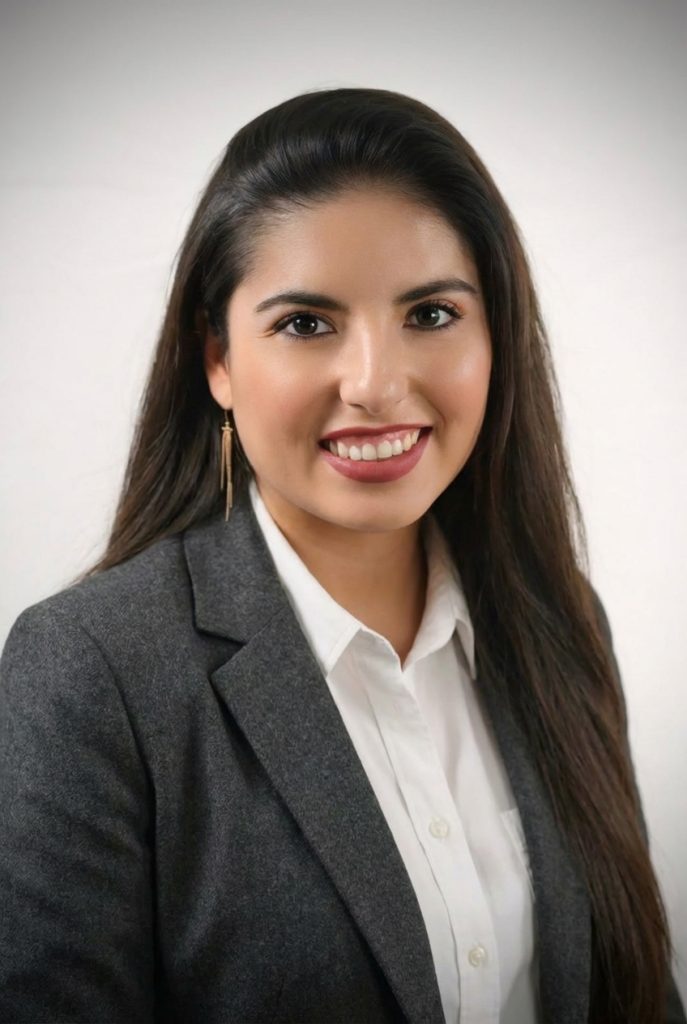
I am Anamile Guerra, a Licensed Professional Counselor Associate. I offer online counseling specifically designed to help you process these difficult experiences. My goal is to help you navigate the complexities of trauma from the comfort and safety of your own space in Bedford.
When the “Mid-Cities” Convenient Life Feels Heavy
Bedford is often seen as a bedroom community—a place where people retreat after working in the bigger cities or at DFW Airport. But when you are carrying the weight of unprocessed trauma, there is no true “retreat.” You might be sitting in your living room in Shady Brook or Stonecourt, yet your mind is racing with intrusive thoughts or memories you can’t seem to shut off.
Trauma changes how we view the world. It can make the familiar feel dangerous. You might find yourself avoiding certain places that remind you of painful events, or perhaps you feel a constant sense of being “on edge,” even when you are safe at home.
In my practice, I work with adults who are trying to hold it all together. You might be a healthcare professional at Texas Health HEB dealing with the cumulative emotional toll of your job, or a flight attendant grounded by anxiety after years of high-pressure travel. Trauma doesn’t care about your zip code or your job title; it impacts your nervous system and your ability to connect with others.
Why Telehealth Makes Sense for Bedford Residents
One of the biggest barriers to seeking help for trauma is the logistics of getting there. Bedford is central, but that also means it is surrounded by traffic. The last thing you want when you are dealing with high anxiety or PTSD symptoms is to navigate the construction on Highway 183 or the congestion around the Airport Freeway during rush hour.
Telehealth eliminates that stress. By meeting online, we remove the commute entirely. You don’t have to worry about running into a neighbor or a colleague in a waiting room on Central Drive. You can attend your session from your home, your parked car during a lunch break, or anywhere else you feel private and secure.
For many of my clients dealing with trauma, the environment matters. Being in a space where you already feel safe can actually make it easier to open up and process difficult emotions. It allows us to focus entirely on the therapy, rather than the logistics of the appointment.
Understanding Trauma and PTSD
Trauma is not just about what happened to you; it is about how your mind and body reacted to what happened, and how that reaction lingers in the present. You might recognize some of these signs in your own life:
- Re-experiencing: Flashbacks, nightmares, or intrusive thoughts that pop up when you least expect them.
- Evitación: Staying away from places, people, or activities that remind you of the trauma. This might mean your world starts getting smaller and smaller.
- Hyperarousal: Feeling constantly on guard, irritable, or having difficulty sleeping. You might jump at loud noises or feel like you can never fully relax.
- Mood Changes: Struggle with feelings of guilt, shame, or hopelessness. You might feel detached from your family or lose interest in things you used to love.
If you have lived in Bedford for a long time, you might feel like you debería be happy because you have a stable life or a good community. But trauma doesn’t respond to logic. It is a physiological issue as much as a psychological one. My role is to help you understand these reactions not as character flaws, but as your brain’s attempt to protect you.
Mi enfoque hacia la curación
I believe that healing happens in a collaborative, non-judgmental space. I am a bilingual therapist (fluent in English and Spanish), which allows me to serve the diverse community in Bedford and the wider HEB area. Being able to express your deepest hurts in your native language can be a crucial part of the healing process.
I do not believe in a “one size fits all” approach to therapy. Instead, I integrate several evidence-based methods to support your recovery:
Terapia cognitivo-conductual (TCC)
Trauma often creates negative thought loops. You might believe “I am not safe” or “It was my fault.” CBT helps us identify these patterns and gently challenge them. We work together to reshape how you interpret your thoughts and how those thoughts influence your behaviors.
Terapia Breve Centrada en Soluciones (SFBT)
While we must acknowledge and process the past, we also need to look toward the future. SFBT is about identifying your strengths—and if you’re surviving trauma, you have incredible resilience—and using those strengths to build the life you want moving forward.
Person-Centered and Positive Psychology
At the core of our work is the relationship we build. I focus on empathy and unconditional positive regard. I want to help you rediscover your capacity for joy and connection, rather than focusing solely on pathology or symptoms.
Support for Various Stages of Life
Bedford is a multi-generational city. I see clients from all walks of life, and trauma manifests differently depending on your stage of life.
Adults and Professionals
Whether you are working in the industrial parks near the airport or commuting to corporate jobs, the pressure to perform can be immense. High-functioning anxiety often masks deep-seated trauma. We can work on coping strategies that allow you to maintain your career without sacrificing your mental health.
Older Adults
Bedford has a significant population of retirees and older adults. Trauma isn’t just a young person’s issue. Sometimes, slowing down in retirement brings up old memories that were suppressed by a busy career. Other times, the trauma is recent, stemming from the loss of a spouse or health changes. I offer a patient, supportive space to process these changes.
Couples
Trauma doesn’t just happen to individuals; it ripples out into relationships. If one partner is struggling with PTSD, it can create distance, misunderstanding, or conflict. I work with couples to improve communication and build a supportive environment where healing can occur together.
Moving Beyond “Just Coping”
You may have spent years “just coping.” Perhaps you’ve told yourself that as long as you can get up and go to work, you’re fine. But surviving is not the same as living.
In our sessions, we won’t just talk about the pain. We will look for practical tools to help you manage the symptoms that disrupt your daily life. We will work on grounding techniques to help you stay present when anxiety spikes. We will explore boundaries that protect your energy.
I practice under the supervision of Jennifer Gonzalez, MS, LPC-S, and Amanda Varnon, MA, LPC-S. This ensures that the care you receive meets high professional standards, but our sessions are intimate, personal, and focused entirely on you.
Taking the First Step
Reaching out for help is an act of courage. It is an admission that you want something better for yourself, and that is a powerful place to start.
You don’t have to carry the weight of your past alone anymore. Whether you are near the bustle of Highway 121 or tucked away in a quiet cul-de-sac near Meadow Park, support is available to you.
I invite you to contact me to discuss what counseling could look like for you. We can talk about your specific needs, answer any questions you have about telehealth, and decide if we are a good fit for one another. I look forward to the opportunity to walk alongside you on your path to healing.