



Living in College Station often means being swept up in a current of energy. Whether it’s the roar of the crowd at Kyle Field on a Saturday, the bustle of students rushing between classes near Northgate, or the rapid growth of families settling into neighborhoods like Castlegate, there is a constant sense of movement here. We pride ourselves on the "Spirit of Aggieland" and that famous friendliness where a "Howdy" is expected from strangers.
But sometimes, that external pressure to be part of the community and keep up with the pace can mask what is happening on the inside. If you are struggling with past trauma or symptoms of PTSD, the vibrant atmosphere of our city can feel incredibly isolating. It is difficult to feel connected to the camaraderie at Century Square or the quiet peace of a walk through Wolf Pen Creek Park when your internal world feels chaotic or unsafe.
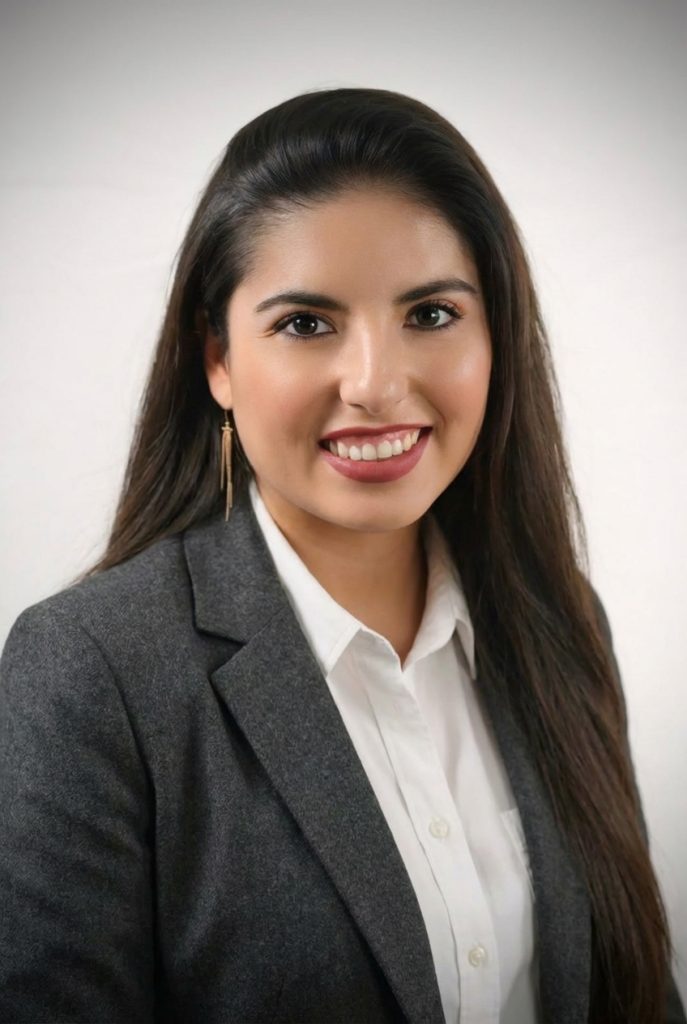
My name is Anamile Guerra. I am a Licensed Professional Counselor Associate, and I offer online therapy to help you navigate these difficult experiences. I provide a space where you don't have to perform or pretend that everything is okay.
When the Past Interrupts the Present
Trauma is often misunderstood. We tend to think of it only in terms of combat veterans or catastrophic headlines. While those are certainly valid causes, trauma is also personal and subjective. It is less about the specific event and more about how your nervous system processed—or didn't process—what happened to you.
You might be a student at Texas A&M feeling the crushing weight of academic failure or social isolation, triggering old wounds of not being "enough." You might be a professional working along the Texas Avenue corridor, finding that high-stress work environments are causing flashbacks or panic attacks. You might be a long-time resident navigating complex family dynamics or the loss of a loved one.
When we experience trauma, our bodies often get stuck in survival mode. You might notice:
- Hipervigilancia: Feeling constantly on edge, as if you are waiting for the next bad thing to happen.
- Evitación: driving the long way around to avoid certain intersections, or skipping social gatherings in Pebble Creek because the crowd feels overwhelming.
- Intrusive Thoughts: Memories that pop up uninvited, disrupting your focus at work or your ability to relax at home.
- Entumecimiento: Feeling detached from the people you love, as if you are watching your life happen from behind a glass wall.
Through counseling, we work to help you understand these reactions not as weaknesses, but as protective mechanisms that are no longer serving you.
Why Telehealth Fits Life in College Station
I work exclusively via telehealth, providing secure video counseling to residents throughout Texas. For my clients in College Station, this format often removes many of the barriers that keep people from seeking help.
The logistics of getting around town can be surprisingly stressful. Anyone who has tried to drive down Wellborn Road during a class change or navigate Harvey Road during rush hour knows that traffic here can be unpredictable. By meeting online, you don't have to worry about factoring in commute time, finding parking, or getting stuck behind a train.
Perhaps more importantly, telehealth offers a layer of privacy that is hard to find in a close-knit community. College Station and Bryan are large enough to be cities but small enough that you often run into people you know—professors, colleagues, students, or neighbors—at the grocery store or the coffee shop. The idea of walking into a therapy waiting room and seeing someone you know can be a major source of anxiety.
With online counseling, your waiting room is your own living room, your parked car in a quiet spot, or your home office. You can log in from your apartment in the Barracks or your house in South Knoll without ever worrying about who sees you entering a clinic.
Mi enfoque hacia la curación
I believe that therapy is a collaborative journey. I am not here to tell you what to do or to "fix" you, because you are not broken. Instead, I walk alongside you as we explore your story.
I am a bilingual counselor, fluent in both English and Spanish. I know that College Station has a diverse population, and for many, emotions are best expressed in their native language. If you feel more comfortable processing your thoughts in Spanish, or switching between languages to find the right words, I can support that fully.
My therapeutic approach draws from several evidence-based methods:
- Terapia centrada en la persona: This is the foundation of our work. It means I provide a non-judgmental, empathetic environment where you are the expert on your own life.
- Terapia cognitivo-conductual (TCC): We will look at the connection between your thoughts, feelings, and behaviors. Trauma often leaves us with negative core beliefs (like "I am unsafe" or "I am to blame"). We work to identify and gently challenge these patterns.
- Terapia Breve Centrada en Soluciones (SFBT): While we honor the past, we also look toward the future. We will identify your strengths—the resilience that has gotten you this far—and use them to build practical strategies for the present.
- Psicología positiva: We focus not just on reducing symptoms, but on cultivating well-being, meaning, and engagement in your life.
I practice under the supervision of Jennifer Gonzalez, MS, LPC-S, and Amanda Varnon, MA, LPC-S. This ensures that I am constantly refining my skills and providing you with the highest standard of care.
Navigating the Pressures of Aggieland
Living here comes with a unique set of expectations. Whether you are deeply embedded in the university culture or you are a local resident working in the surrounding industries, there is often a "pull yourself up by your bootstraps" mentality in Texas. We are taught to be tough, to be resilient, and to keep moving forward.
While resilience is a strength, it can sometimes prevent us from acknowledging pain. You might feel like you have to put on a brave face for your family, your professors, or your employees. You might compare your insides to everyone else’s outsides—seeing the smiling faces at a tailgating party and wondering why you feel so empty.
Counseling provides a break from those expectations. It is a dedicated hour where you don't have to carry the load alone. We can talk about the stress of transitions—students graduating and leaving, the town emptying out in the summer and swelling in the fall, or the rapid development changing the face of neighborhoods you grew up in. All of these environmental factors play a role in your mental health.
Dando el siguiente paso
Acknowledging that you need support is an act of courage. It is common to feel nervous about starting therapy, especially if you have never done it before. You might worry that talking about the past will make it hurt more, or that your problems "aren't big enough" to warrant professional help.
Please know that your pain is valid, and you do not have to wait until you are in crisis to reach out. Whether you are dealing with a specific traumatic event, chronic anxiety, or simply a feeling that you are not living the life you want, you deserve support.
I work with adults (18+), older adults, and couples. My goal is to help you move from a place of just surviving to a place where you can truly engage with your life in College Station—enjoying your community, your relationships, and your future.
If you are ready to explore what counseling can do for you, or if you simply have questions about how telehealth works, I invite you to contact me. I would be honored to hear your story.