

Living in the “Tall City” comes with a unique set of rhythms. Life in the Permian Basin is often defined by hard work, resilience, and a drive to move forward. Whether you are navigating the high-pressure environment of the energy industry, raising a family in Grassland Estates, or studying for your next chapter, the culture here is one of strength.
However, that same culture—the one that says “pull yourself up by your bootstraps”—can sometimes make it incredibly difficult to admit when you are hurting.
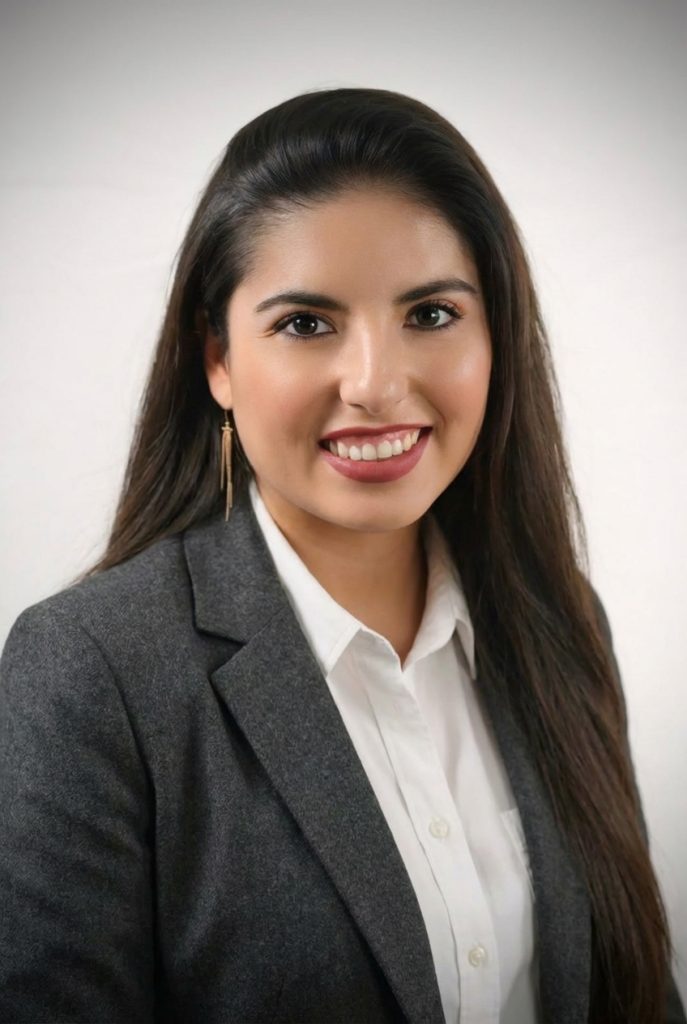
Trauma and PTSD are not always visible. You might be carrying the weight of a past event while driving down Loop 250, trying to keep it together for your job or your family. You might feel a sense of isolation even when surrounded by people at Centennial Park. My name is Anamile Guerra, and as a Licensed Professional Counselor Associate, I offer online counseling specifically designed to help you navigate these heavy experiences from the privacy and comfort of your Midland home.
The Reality of Trauma in the Permian Basin
When people hear “PTSD,” they often think exclusively of combat veterans. While that is certainly a valid and serious form of trauma, the reality is much broader. Trauma is the emotional response to a terrible event like an accident, crime, natural disaster, or prolonged emotional distress.
In Midland, life moves fast. The economic cycles of boom and bust can create a lingering sense of instability. The demanding shifts common in our local industries can lead to burnout, relationship strain, and a feeling of being constantly on edge. Perhaps you have experienced a specific, frightening event—like a serious accident on Highway 191—or maybe you are dealing with “complex trauma,” which builds up over years of difficult relationships or childhood environments.
You might notice that you are feeling:
- Hipervigilancia: Always waiting for the “other shoe to drop,” whether it’s regarding your job security or your personal safety.
- Evitación: Staying away from specific places, like certain intersections or crowded areas in Downtown Midland, because they trigger anxiety.
- Entumecimiento: Feeling detached from the people you love, perhaps struggling to connect with your partner or children after a long rotation at work.
- Intrusive Thoughts: Memories that replay against your will, disrupting your focus or your sleep.
Trauma changes how we view the world, often making it feel like an unsafe place. My goal is to help you rebuild that sense of safety.
Why Online Therapy Fits the Midland Lifestyle
I provide counseling exclusively via telehealth. For residents of Midland, this approach offers several distinct advantages that align with the local lifestyle.
1. Privacy and Discretion
Midland is a big city with a small-town feel. If you live in a tight-knit community like Green Tree North or Old Midland, you might be concerned about running into a neighbor, a colleague, or a church member in a therapist’s waiting room. Mental health is deeply personal, and you deserve a space where you don’t have to worry about appearances. With online counseling, your “waiting room” is your own living room or home office.
2. Navigating Logistics
Traffic in Midland has changed over the years. Avoiding the congestion on Loop 250 or the construction delays near Midkiff Road during rush hour can save you significant stress. Instead of fighting traffic to get to an appointment, you can log in from a quiet space in your home. This is particularly helpful for those working irregular hours in the oil and gas sector, or for parents trying to juggle school pickups and extracurriculars.
3. Consistency
The West Texas weather—from intense heat to sudden dust storms—can sometimes make travel unappealing. Telehealth ensures that we can meet consistently, regardless of what is happening outside or on the roads.
Mi enfoque hacia la curación
I am a bilingual counselor (fluent in English and Spanish), which allows me to serve a diverse range of clients in the Midland area. I work under the supervision of Jennifer Gonzalez, MS, LPC-S, and Amanda Varnon, MA, LPC-S.
My therapeutic style is rooted in collaboration. I do not believe in a “one-size-fits-all” fix, especially when it comes to trauma. Healing is a non-linear process, and I am here to walk alongside you, not to push you faster than you are ready to go.
I integrate several evidence-based approaches to support your recovery:
- Terapia cognitivo-conductual (TCC): This helps us look at the connection between your thoughts, feelings, and behaviors. Trauma often plants lies in our minds (e.g., “I am not safe,” “It was my fault”). We work together to identify and challenge these unhelpful thought patterns.
- Terapia Breve Centrada en Soluciones (SFBT): While we will process the past, we also want to focus on your present and future. We will identify the strengths you already possess—that West Texas resilience—and use them to build practical solutions for your daily life.
- Terapia centrada en la persona: Above all, I provide a non-judgmental space. You are the expert on your own life. My role is to provide the empathy and unconditional positive regard necessary for you to explore your feelings safely.
Creating a Safe Space in a Digital World
I understand that starting therapy for trauma can feel intimidating. You might worry that talking about it will make it worse, or that doing so over a video call won’t feel “real.”
In my experience, teletherapy can actually facilitate a deeper sense of safety for many clients. Being in your own environment—perhaps with your own blanket, a cup of tea, or your pet nearby—can ground you during difficult conversations.
Whether you are logging in from an apartment near the ClayDesta Plaza or a house out in the county, our sessions are strictly confidential. I use a secure, HIPAA-compliant platform to ensure your privacy is protected.
What We Can Work On Together
Trauma recovery looks different for everyone. For some, it is about reducing the physical symptoms of anxiety so they can sleep through the night. For others, it is about learning how to trust again in relationships.
Here are some common goals we might address:
- Emotional Regulation: Learning tools to calm your nervous system when you feel triggered or overwhelmed.
- Processing Memories: Safely exploring past events so they no longer hold power over your present.
- Reconnecting: Finding ways to engage with your community and hobbies again, whether that’s attending events at the Wagner Noël or simply enjoying a quiet evening with friends.
- Building Resilience: Developing coping strategies that work for your specific lifestyle and career demands.
Taking the First Step
It takes immense courage to acknowledge that you need support. In a region that values toughness, reaching out is actually the strongest thing you can do. You do not have to carry the weight of your past alone.
I am dedicated to supporting adults across Midland as they work toward a healthier, more balanced life. If you are ready to begin exploring your path to healing, or if you simply have questions about how online trauma counseling works, I invite you to contact me.
Let’s work together to help you find your footing again.
Anamile Guerra, LPC-Asociada
Supervisado por Jennifer Gonzalez, MS, LPC-S y Amanda Varnon, MA, LPC-S