


Friendswood has a distinct rhythm. Whether you are raising a family in West Ranch, enjoying the shaded, spacious lots in The Forest, or navigating the unique community of Polly Ranch, there is a strong sense of pride here. It is a place known for its excellent schools, its canopy of trees, and a community spirit that feels tighter than many of the sprawling suburbs closer to Houston.
But living in a place that values "community" and "keeping up appearances" can sometimes make personal struggles feel that much heavier. From the outside, life might look calm—like a quiet afternoon at Stevenson Park—but internally, you may be navigating a storm that no one else can see.
Trauma and PTSD are not always visible. They don’t always look like what we see in movies. Sometimes, they look like a high-functioning professional commuting up the Gulf Freeway who can’t stop their racing thoughts. Sometimes, it looks like a parent in Timber Creek who feels a constant, low-level sense of dread that they just can’t shake.
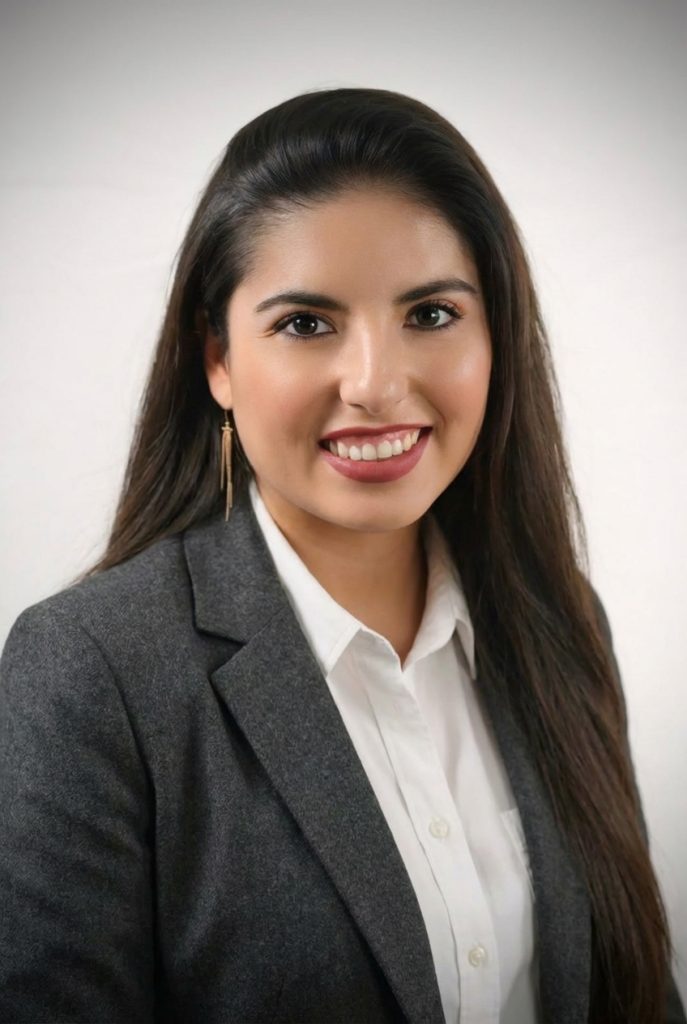
I am Anamile Guerra, a Licensed Professional Counselor Associate. I offer online trauma and PTSD counseling specifically designed to meet you where you are—both emotionally and geographically. Through secure telehealth, I help residents of Friendswood process painful experiences and move toward a more balanced life without the need to drive into the city.
When the "Quiet Life" Doesn't Feel Quiet
Friendswood is often described as a bedroom community—a place to retreat to after working in downtown Houston, the Medical Center, or near the NASA Johnson Space Center. But for those living with unresolved trauma or Post-Traumatic Stress Disorder (PTSD), "retreating" doesn't necessarily mean resting.
Trauma has a way of following us home. You might find yourself feeling hyper-alert even when you are safe in your living room. You might experience sudden waves of anxiety while running errands at the H-E-B on FM 518, triggered by a sound, a smell, or a fleeting thought.
My goal is to provide a space where you can unpack these feelings safely. You do not have to carry the weight of your past alone, and you certainly don't have to pretend everything is "fine" just because your environment suggests it should be.
The Privacy of Telehealth in a Close-Knit Town
One of the beautiful things about Friendswood is its small-town feel. It is the kind of place where people know their neighbors, and you are likely to run into someone you know at Baybrook Mall or while grabbing coffee on Friendswood Drive.
However, when you are seeking therapy—especially for something as sensitive as trauma—that "everybody knows everybody" vibe can be a barrier. You might hesitate to walk into a local counseling clinic for fear of seeing your child’s teacher, a coworker, or a neighbor in the waiting room.
Online counseling solves this dilemma.
By working with me via telehealth, you ensure your privacy. You can attend your session from your home office, a private room, or even your parked car in a quiet spot. There is no chance of an awkward encounter in a lobby. This format allows you to be vulnerable and open without the background anxiety of "who might see me."
Overcoming the I-45 Commute Barrier
Let’s be honest about the logistics of living here: getting anywhere outside of Friendswood usually involves traffic. If you work in the city, you already spend a significant portion of your day on I-45 or the Beltway. The last thing you likely want to do is add another commute to your schedule to get to a therapy appointment.
Traffic itself can be a major stressor, keeping your nervous system in a state of "fight or flight" before you even sit down to talk.
Telehealth eliminates the commute. Instead of fighting traffic on the Gulf Freeway to get to a therapist’s office in the loop, you can transition straight from your day into your session. This not only saves you time but also allows you to start your counseling session in a calmer state of mind, rather than arriving flustered and rushed.
My Approach to Healing Trauma
I believe that therapy is not a "one size fits all" process. Your experiences are unique, and your path to healing should be too. I work under the supervision of Jennifer Gonzalez, MS, LPC-S, and Amanda Varnon, MA, LPC-S, and I bring a blend of evidence-based approaches to our sessions.
Creating a Safe Container
Trauma work requires trust. My first priority is to create a safe, non-judgmental environment. Drawing from Person-Centered Therapy, I focus on empathy and unconditional positive regard. I am here to listen, not to dictate your path.
Changing How You Think
I often utilize Cognitive Behavioral Therapy (CBT). Trauma often leaves us with negative thought patterns or "stuck points"—beliefs about safety, trust, or self-worth that no longer serve us. Together, we can examine these thoughts and gently reshape them to align with your current reality.
Building on Your Strengths
I also incorporate Solution-Focused Brief Therapy (SFBT) and Positive Psychology. Even if you are struggling, you possess resilience and strengths that have gotten you this far. We will identify those strengths and use them as building blocks for your recovery.
Bilingual Support
I am fluent in both English and Spanish. If you feel more comfortable expressing your emotions in Spanish, or if you come from a bilingual household where cultural nuances play a role in your experience, I can support you fully in either language.
Understanding PTSD and Trauma
When we talk about PTSD, many people immediately think of military combat. While I absolutely support individuals with those experiences, trauma is much broader.
Trauma is the emotional response to a terrible event like an accident, crime, or natural disaster (something familiar to many on the Gulf Coast who have weathered severe hurricanes). However, it can also stem from:
- Childhood experiences: Emotional neglect or instability in the home.
- Relationship wounds: Difficult breakups, divorce, or abusive dynamics.
- Medical trauma: Difficult surgeries, chronic illness, or hospitalization.
- Workplace stress: High-pressure environments in industries like healthcare, energy, or aerospace.
Common Signs You Might Benefit from Trauma Counseling
- Intrusive thoughts: Memories that pop up when you don't want them to.
- Avoidance: Staying away from places (like certain intersections or neighborhoods) that remind you of the event.
- Negative changes in mood: Feeling numb, hopeless, or detached from family and friends.
- Hyperarousal: Being easily startled, having trouble sleeping, or feeling constantly "on guard."
If you recognize these signs in yourself, please know that these are normal reactions to abnormal events. They are not signs of weakness.
How Online Sessions Work
If you haven’t done telehealth before, it is quite simple. We use a secure, HIPAA-compliant video platform. You can use a computer, tablet, or smartphone.
- Scheduling: We find a time that fits your schedule.
- Connection: You receive a private link before our session.
- The Session: We meet face-to-face virtually. You can be anywhere in Texas, as long as you have a private space and a stable internet connection.
This flexibility is ideal for parents in Friendswood juggling school drop-offs at FISD campuses or professionals needing a lunch-hour session without leaving their office.
Taking the First Step
I know that reaching out for help is often the hardest part of the process. It takes courage to admit that things aren’t okay and that you need support.
Whether you are living in a quiet cul-de-sac in Wilderness Trails or an apartment near Centennial Park, you deserve to feel at home in your own mind. You don't have to let your past define your future.
I invite you to reach out. I offer a supportive, collaborative space where we can work together toward the relief and balance you are looking for.
I’d love to hear from you. Please contact me today to schedule a consultation, and let’s begin this journey together.