

Living in Richardson, it often feels like we are at the center of everything. We have the energy of the Telecom Corridor, the academic bustle around UTD, and the rapid development springing up around CityLine. On the surface, this is a community defined by growth, innovation, and connection.
But when you are living with the aftereffects of trauma or battling the symptoms of PTSD, that external bustle can feel incredibly isolating. You might be walking through the quiet streets of Canyon Creek or sitting in a busy office near Galatyn Park, looking like you have it all together, while internally, you feel like you are barely holding on.
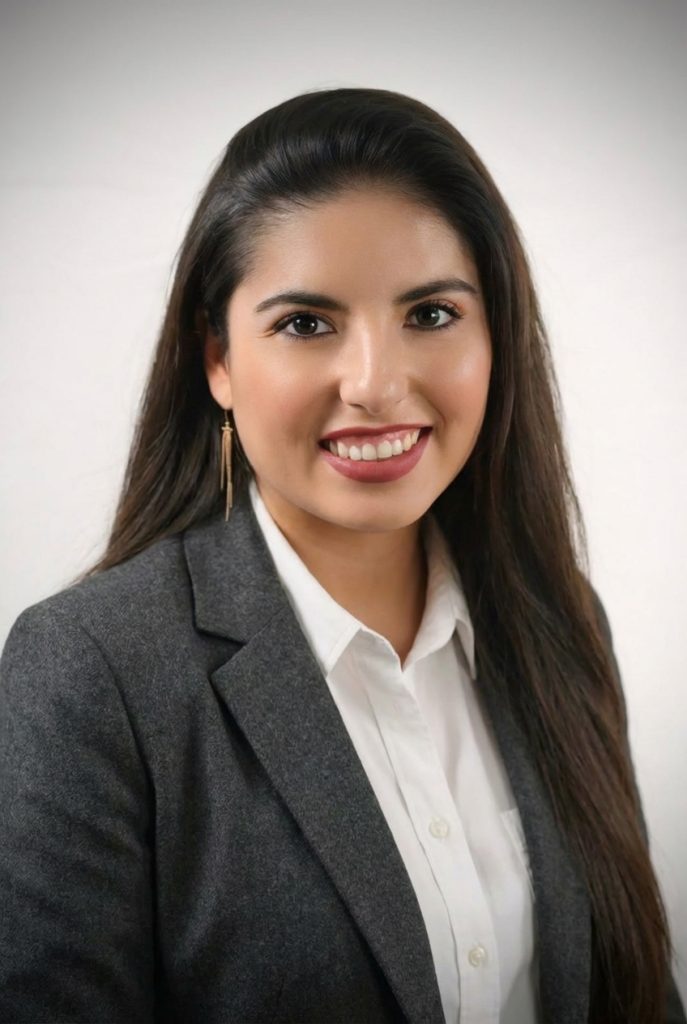
My name is Anamile Guerra. I am a Licensed Professional Counselor Associate, and I provide online therapy to help people navigate the complex terrain of trauma. I understand that trauma doesn’t always look like it does in the movies. It isn't always a singular, dramatic event. Sometimes, it is the accumulation of years of stress, difficult relationships, or high-pressure environments that finally takes its toll.
If you are in Richardson and looking for a safe space to process your experiences without having to commute across the metroplex, I am here to help.
Finding Stillness in a High-Motion City
Richardson is unique. We aren’t just a bedroom community for Dallas anymore; we are a hub of technology, insurance, and higher education. I know that for many residents—whether you are an engineer, a student at UT Dallas, or a professional working near the Bush Turnpike—the pressure to perform is high.
Trauma often disrupts that ability to perform. You might find yourself staring at a computer screen, unable to focus because your mind is racing with intrusive thoughts. You might find yourself snapping at loved ones after a long day, or feeling a sudden, overwhelming sense of panic while grocery shopping at the heights.
This is where the "keep moving forward" mentality of a growing city can actually be a hindrance. You might feel like you don't have permission to pause. You might tell yourself that because you have a good job or a nice home in Breckinridge Park, you shouldn't be feeling this way.
I want you to know that your pain is valid, regardless of your external circumstances. Trauma leaves an imprint on the nervous system. It changes how we react to stress, how we view safety, and how we connect with others. Ignoring it usually doesn't make it go away; it just forces it underground where it affects our health and relationships.
Why Telehealth Works for Richardson Residents
One of the biggest barriers to seeking help for trauma is the logistics of getting there. If you have ever tried to navigate the Central Expressway (US-75) during rush hour or dealt with the construction traffic around Arapaho and Campbell, you know that the commute itself can be a major stressor.
When you are dealing with trauma, your nervous system is already on high alert. The last thing you need is the road rage and anxiety of a 45-minute drive just to get to an appointment.
My practice is primarily telehealth-based, which fits the lifestyle of many Richardson residents perfectly.
- Safety and Comfort: Trauma work can be heavy. Being in your own space—whether that’s your living room in Duck Creek or a private study in your apartment at CityLine—allows you to feel grounded in a familiar environment.
- Privacy: In a tight-knit community, some people worry about running into neighbors or colleagues in a waiting room. Online therapy offers a layer of confidentiality that many of my clients appreciate.
- Efficiency: You can schedule a session during a lunch break, between classes, or before the kids get home from school, without losing time on the road.
I work with adults throughout Texas, but I have a particular affinity for the specific lifestyle and challenges found in the DFW area.
My Approach to Healing Trauma
Healing is not about erasing the past. It is about integrating your experiences so they no longer control your present. As a bilingual counselor fluent in both English and Spanish, I am also deeply committed to serving the diverse cultural fabric of Richardson. I know that for many families in our area, language and culture are deeply intertwined with how we process emotion and pain. Being able to express yourself in your preferred language can be a crucial part of the healing process.
I work under the supervision of Jennifer Gonzalez, MS, LPC-S, and Amanda Varnon, MA, LPC-S. My therapeutic style draws from several evidence-based modalities, tailored to what you need in the moment.
Creating a Safe Container (Person-Centered)
Trauma strips away our sense of safety and agency. My first priority is to give that back to you. I use a person-centered approach, which means I am not here to dictate your path or force you to talk about things you aren't ready for. We move at your pace. I provide a non-judgmental space where you can be messy, angry, sad, or confused without fear of criticism.
Rewiring Thoughts (CBT)
Trauma often creates a loop of negative thinking. You might believe "I am not safe," "It was my fault," or "I am broken." We can use Cognitive Behavioral Therapy (CBT) to gently examine these thought patterns. We look at the evidence, challenge the distortions, and work on rebuilding a narrative that is grounded in your current reality and strengths.
Focusing on the Future (SFBT & Positive Psychology)
While it is important to process the past, it is equally important to build a future. I utilize Solution-Focused Brief Therapy (SFBT) and positive psychology to help you identify what is working in your life. We look for your inherent strengths—the resilience that has gotten you this far—and use them as building blocks for the life you want to live.
Who I Work With
Trauma manifests differently for everyone. I work with adults, older adults, and couples who are navigating:
- Post-Traumatic Stress Disorder (PTSD): dealing with flashbacks, avoidance, and hyperarousal.
- Complex Trauma: emotional wounds from long-term childhood experiences or toxic relationships.
- Life Transitions: the stress of divorce, career changes, or relocating, which can often reactivate old wounds.
- Anxiety and Depression: which are often the surface-level symptoms of unresolved trauma.
Richardson has a large population of older adults, particularly in established neighborhoods like Richardson Heights and near the Senior Center. I want to specifically mention that it is never too late to address trauma. I work with older adults who may finally have the time and space to process events from decades ago.
Moving Beyond "Just Coping"
You might be used to white-knuckling your way through the day. Maybe you bury yourself in work at the office park, or you distract yourself with the endless dining options on Greenville Avenue. Coping mechanisms are useful—they help us survive. But there comes a point where survival mode isn't enough. You deserve to thrive.
In our sessions, we will work on practical tools to regulate your nervous system. This might look like breathing techniques to use when you feel panic rising, or grounding exercises to help you stay present when memories intrude. But beyond the tools, we will work on the deeper healing that allows you to feel safe in your own body again.
Taking the First Step
I know that reaching out for help is an act of courage. It is admitting that you can't carry the weight alone anymore—and you shouldn't have to.
Whether you are struggling with a recent event or a burden you have carried for years, I am here to walk alongside you. You don't have to navigate the traffic on the highway or the traffic in your mind by yourself.
If you are ready to explore what online counseling can do for you, or if you simply have questions about how the process works, I invite you to contact me. Let’s work together to help you find your footing and move toward a more balanced, peaceful life here in Richardson.