



Living in Schertz often feels like finding the perfect middle ground. We have that distinct sense of community you find along Main Street or near Pickrell Park, yet we are just a stone’s throw from the hustle of San Antonio and the energy of Austin. But whether you are stationed near Randolph, commuting daily down I-35, or raising a family in The Crossvine, life here comes with its own set of pressures.
When you are carrying the weight of trauma or Post-Traumatic Stress Disorder (PTSD), that pressure can feel suffocating, no matter how quiet and manicured your neighborhood might be.
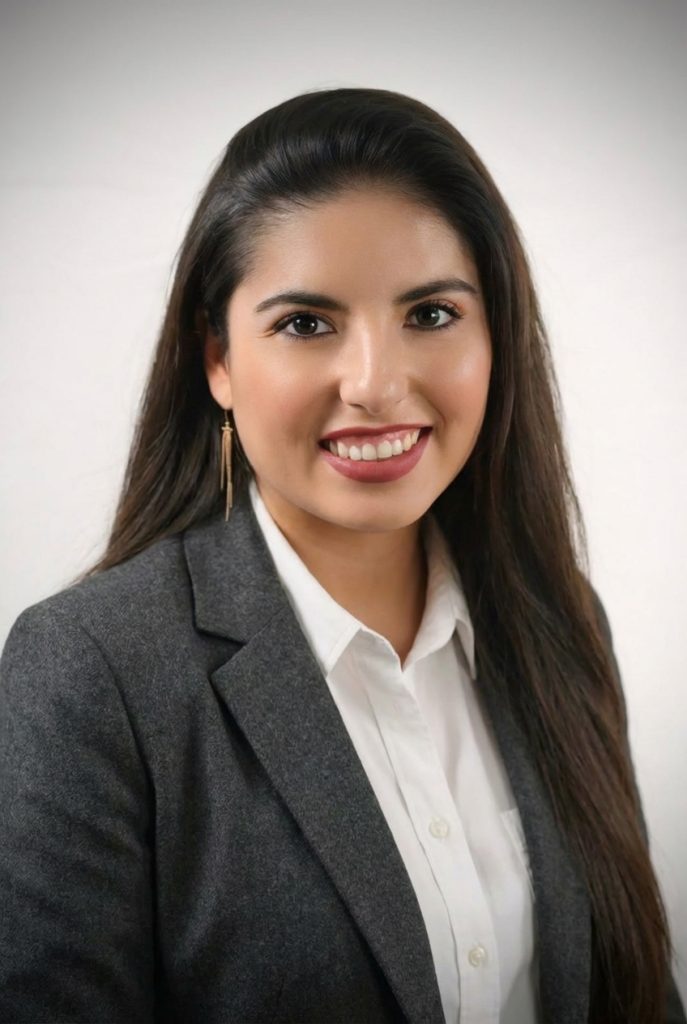
My name is Anamile Guerra, and I am a Licensed Professional Counselor Associate. I specialize in helping adults navigate the complex terrain of trauma. Through online therapy, I offer a safe, confidential space for residents of Schertz to process their experiences without the stress of commuting to a physical office.
When the “Randolph Roar” Feels Like Too Much
Schertz is proud of its military heritage. With Joint Base San Antonio-Randolph right next door, we are used to the sound of jets overhead—the “Sound of Freedom,” as many call it. But for those living with PTSD or unresolved trauma, loud noises, crowded spaces, or even the daily grind can trigger an intense fight-or-flight response.
Trauma isn’t always about combat, though that is a reality for many in our veteran-heavy community. Trauma is defined by how your mind and body react to an overwhelming event. It could be a past car accident on the FM 3009 corridor, a history of childhood emotional neglect, a painful divorce, or a sudden loss.
You might find yourself feeling constantly on edge (hypervigilance), even when you are walking a peaceful trail at Crescent Bend Nature Park. You might experience flashbacks, intrusive thoughts, or a numbness that makes it hard to connect with your partner or children. If this sounds familiar, I want you to know that you are not broken. Your brain is simply trying to protect you in the only way it knows how, based on what you survived in the past.
Why Telehealth Makes Sense for Schertz Residents
One of the biggest barriers to therapy is simply getting there. While Schertz is strategically located, anyone who has tried to drive into San Antonio or up to New Braunfels during rush hour knows that “strategically located” doesn’t always mean “easy to get around.”
The construction on I-35 and the congestion on FM 78 can turn a simple appointment into a three-hour ordeal. When you are already dealing with anxiety or trauma, sitting in bumper-to-bumper traffic is the last thing you need.
I offer therapy exclusively via telehealth. This means you can attend your session from the comfort of your home in Northcliffe, Jonas Woods, or anywhere else in the city. There is no driving, no waiting rooms, and no risk of running into a neighbor or colleague while walking into a clinic.
For many of my clients, this digital approach provides a level of safety and control that is essential for trauma work. You get to choose your environment. You can have your pet nearby, wrap up in your favorite blanket, and control the lighting. This sense of physical safety can often help us dive deeper into the emotional work more effectively than we could in a sterile office setting.
My Approach: Healing in Your Own Language
I am bilingual, fluent in both English and Spanish. I know that for many families in South Texas, language is deeply tied to emotion. Sometimes, recounting a painful memory or expressing a complex feeling is easier in your native tongue—or in a mix of both. In our sessions, you are welcome to speak however feels most natural to you.
My therapeutic style is grounded in collaboration. I don’t see myself as the expert on your life—you are. I am here to walk alongside you as a guide and a support system. I work under the supervision of Jennifer Gonzalez, MS, LPC-S, and Amanda Varnon, MA, LPC-S, which ensures that our work together is supported by a network of clinical experience.
I utilize several evidence-based approaches to help you reclaim your life from trauma:
- Cognitive Behavioral Therapy (CBT): We look at how your thoughts influence your feelings and behaviors. Trauma often plants lies in our heads, such as “I am not safe” or “It was my fault.” Together, we challenge those thoughts.
- Solution-Focused Brief Therapy (SFBT): While we honor the past, we also focus on the present and future. We identify what is working in your life and build on those strengths to find practical solutions.
- Person-Centered Therapy: This is the foundation of everything I do. I provide a non-judgmental, empathetic environment where you are accepted exactly as you are.
- Positive Psychology: We don’t just focus on what’s “wrong.” We also explore your resilience, your values, and what makes life meaningful for you.
Understanding the Layers of Trauma
In a growing city like Schertz, it is easy to feel like you have to keep up appearances. New developments are popping up everywhere, from Cibolo Valley Drive down to Lower Seguin Road. There is a pressure to look like you have it all together—the new house, the stable job, the happy family.
But trauma often thrives in silence. It hides behind the closed doors of beautiful homes. You might be functioning highly at work but falling apart the moment you walk through your front door.
Trauma can manifest in many ways:
- Avoidance: Skipping social gatherings at the Schertz 4th of July Jubilee because crowds feel unsafe.
- Irritability: Snapping at loved ones over small things because your nervous system is constantly overwhelmed.
- Sleep Disturbance: Insomnia or nightmares that leave you exhausted.
- Physical Symptoms: Chronic tension, headaches, or stomach issues with no clear medical cause.
Recognizing these symptoms is the first step. The second step is realizing that you don’t have to carry this burden alone.
Creating a Safe Space for Everyone
I work with adults, older adults, and couples. Schertz has a diverse population, ranging from young professionals commuting to the city to retirees enjoying the quiet life near the older parts of town.
For the military community, I understand the unique culture and stressors that come with service life. Whether you are a veteran transitioning to civilian life or a spouse managing the home front, I offer a space where you can speak openly without fear of judgment or career repercussions (as I am a private provider).
For couples, trauma can be an invisible wall between partners. If one of you is struggling with PTSD, it affects the entire relationship. We can work together to understand triggers, improve communication, and rebuild intimacy.
Taking the Next Step
It takes immense courage to admit that you are hurting. In a place like Schertz, where community values are strong, we often fall into the trap of thinking we should be able to “handle it” on our own. But true strength isn’t about suffering in silence; it’s about recognizing when you need support to heal.
You don’t have to let your past dictate your future. You can learn to manage your symptoms, process your pain, and rediscover a sense of peace.
If you are ready to begin this journey, or if you simply have questions about how online counseling works, I invite you to reach out. I would love to hear your story and discuss how we can work together to help you move forward.
Please contact me to schedule a free consultation. Let’s work together to help you find your footing again.